Advancing veterinary ophthalmology in emerging markets
The International Board of Veterinary Ophthalmology (IBVO) is dedicated to elevating the standard of animal eye care across the globe.
- ResidencyFor veterinary professionals
- AccreditationFor veterinary colleges, hospitals, or clinics
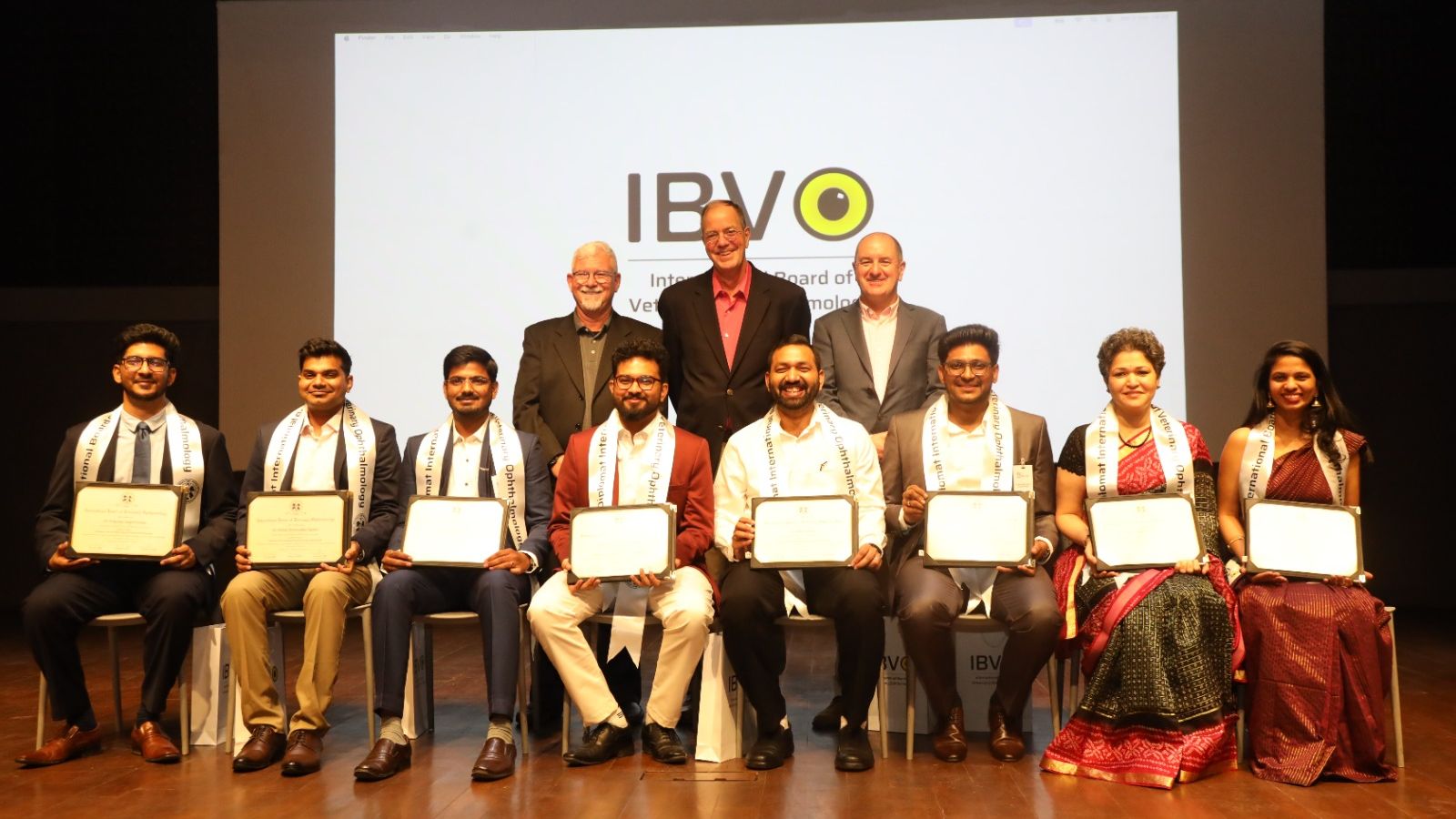
Our Founders
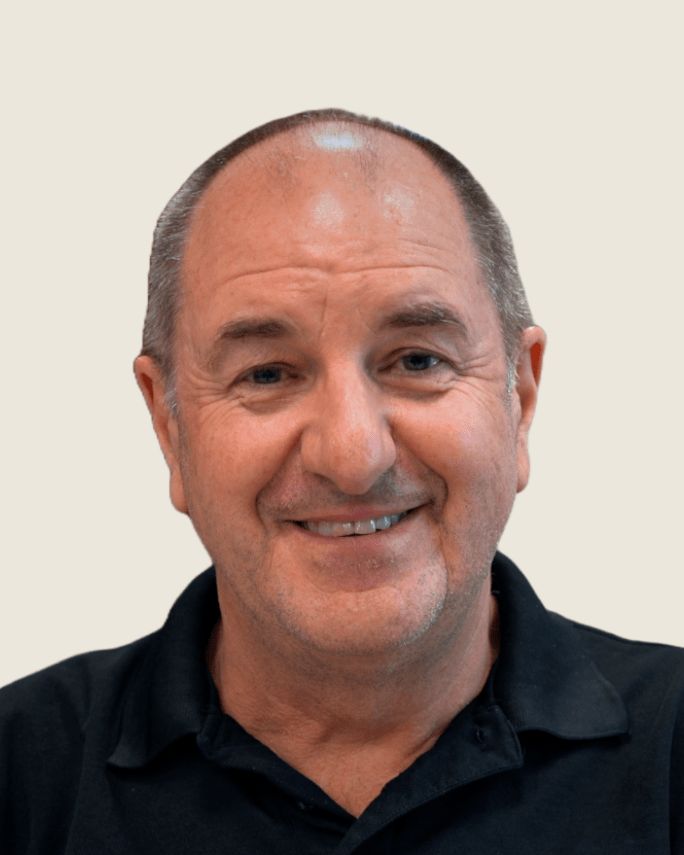

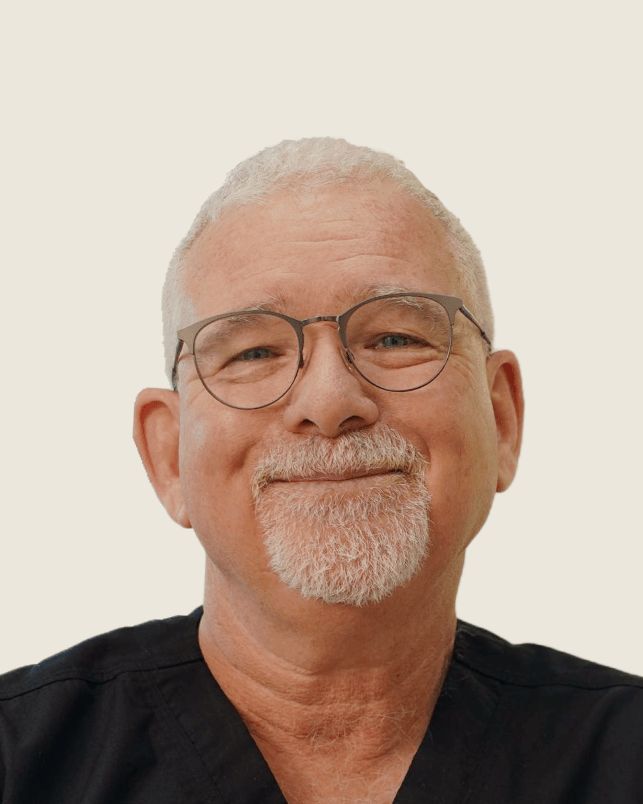
Dr. David Maggs
BVSc (Hons), Diplomate ACVO
“Our goal is to build a community of well-trained veterinary ophthalmologists who can make a real difference in animal healthcare.”
Biography of Dr. David Maggs
Dr. David Maggs is the Editor and Co-Author of “Slatter’s Fundamentals of Veterinary Ophthalmology,” one of the most widely used textbooks in veterinary medical education. While Chair of the American Board of Veterinary Ophthalmology, he worked to establish and refine standards for ACVO residency training programs. A renowned international speaker, Dr. Maggs has lectured in over 39 countries. His research and teaching interests include ocular surface disease, and he is widely considered the world’s leading expert on feline herpesvirus ocular infection.
Dr. Michael Davidson
DVM, Diplomate ACVO
“Through collaboration, education, and certification, we aim to set new standards in veterinary ophthalmology.”
Biography of Dr. Michael Davidson
Dr. Michael Davidson was Professor of Ophthalmology at North Carolina State University where he also served as Associate Dean. He led the design and planning efforts for the NC State “Terry Center”, which opened in 2011 and is one of top veterinary medical teaching hospitals in the world. He was Director of the ACVO Basic Science Course, which provides foundational training to veterinary ophthalmology residents and specialists, for over 20 years. His research and teaching interests include infectious diseases which affect the eye, neuro-ophthalmology, retinoscopy, and cataract surgery. His research team designed the first canine-specific prosthetic intraocular lens used to restore vision to normal after cataract surgery.
Dr. David A. Wilkie
DVM, MS, Emeritus Diplomate ACVO
“IBVO represents a bold step forward in making specialized veterinary ophthalmology education accessible globally. We are proud to be part of this mission.”
Biography of Dr. David A. Wilkie
Dr. David Wilkie served for over 36 years as a Professor of Ophthalmology at The Ohio State University, where he also held the position of Department Chair for Veterinary Clinical Sciences. He has authored over 105 scientific articles and 50 textbook chapters, and served as Editor-in-Chief of the Journal of Veterinary Ophthalmology for 15 years. Dr. Wilkie is a sought-after international speaker, having lectured in more than 28 countries. His research and teaching interests include ocular pharmacology, ocular surgery, and laboratory animal ophthalmology. In 2021, he received OSU’s Distinguished Alumni Award, and in 2023, the University of Agronomic Sciences and Veterinary Medicine of Bucharest conferred upon him the title of Doctor Honoris Causa.
Residency
The IBVO Residency Program is a comprehensive, three-year full-time initiative designed to train veterinary professionals to become specialists in ophthalmology.
- 3 Years Full-time residency
- 250 Hours Didactic Training Program
- 3 Parts Certification examination
Written Exam
A comprehensive exam covering foundational and advanced topics in veterinary ophthalmology.
Image Recognition Test
Residents are evaluated on their ability to interpret clinical images accurately and provide appropriate case management.
Surgical Practical Exam
Residents perform specific ophthalmic surgeries under the observation of a panel of experts.
Accreditation
The IBVO Residency Program can only be operated by veterinary colleges, hospitals, or clinics that have been accredited by IBVO.
Clinical Case Minimum Requirements
- Dogs 1,500 cases involving ophthalmic complaints.
- Cats 150 cases involving ophthalmic complaints.
- Horses 50 cases involving ophthalmic complaints.
- Additional Species 35 cases across at least three different species.
Surgical Case Minimum Requirements
- Lens Extractions 25 cases, including intracapsular or extracapsular procedures.
- Anterior Segment Procedures 15 cases, including corneal grafts and keratectomies.
- Adnexal Procedures 15 cases, such as eyelid reconstruction and entropion repair.
- Orbit and Globe Procedures 5 cases, including enucleation and orbitotomy.
- Nasolacrimal Procedures 5 cases, such as parotid duct transposition.
- Vision-Sparing Glaucoma Procedures 5 cases, including cycloablation and shunt placement.
For each resident, over the residency.
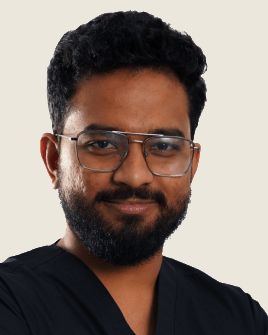
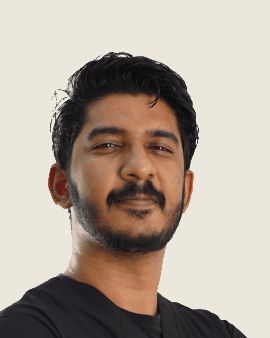
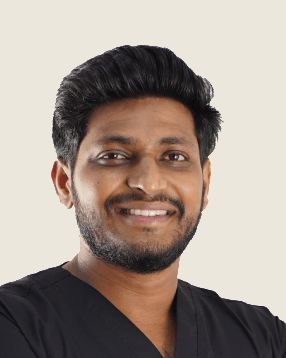
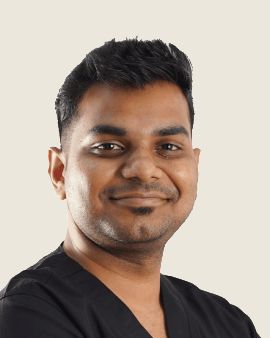
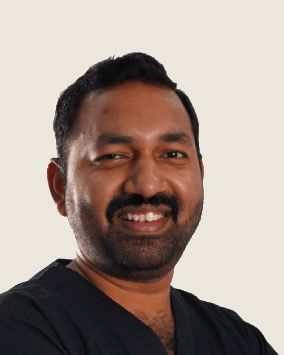
2025 Diplomates


News
Read
YouTube (external site)
YouTube (external site)